


-
Plays
On the morning of 21 October 1966, after days of heavy rain, 150,000 tonnes of coal waste engulfed the village of Aberfan, killing 144 people including 116 children at Pantglas Junior School.
Each year the anniversary is commemorated in a poignant ceremony in Aberfan, but the personal stories of those left behind remain largley underrepresented in the wider cultural narratives.
As a writer and actor who grew up near Aberfan, Liam Holmes witnessed, first-hand, the generational trauma carried by those affected by the disaster. Its impact continues to be deeply rooted in the village, which compelled him to tell the often- forgotten stories of his community.
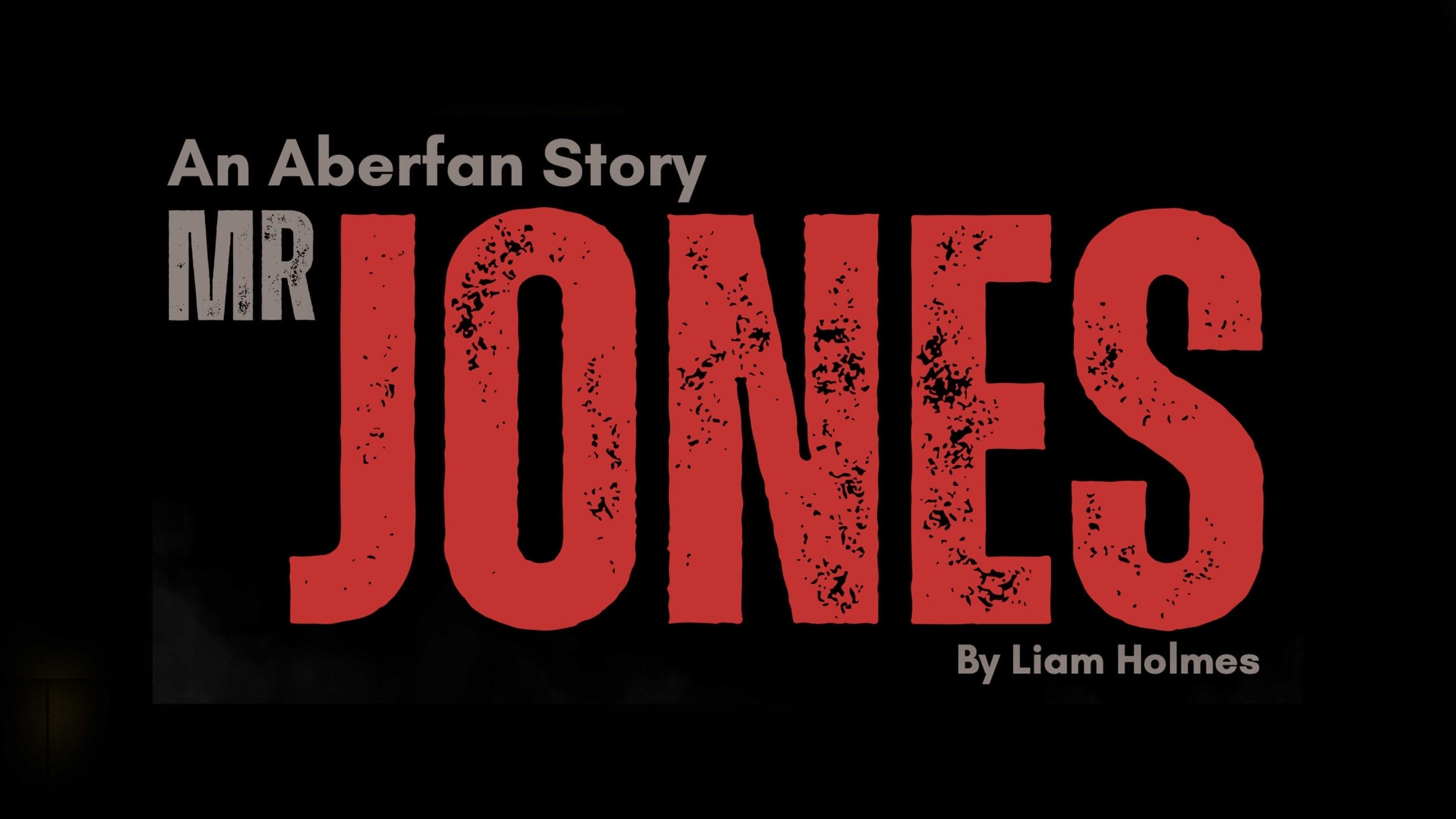
Holmes began writing Mr Jones during his studies at Guildford School of Acting. Rather than dramatise the disaster itself, he chose to focus on its emotional and social aftermath – using drama, spoken word, verbatim and soundscapes to tell a complex story. Through reflective conversations between two fictional characters, Stephen and Angharad, the play explores contrasting opinions on loss, resilience and national pride, and confronts the reality of collective grief. Mr Jones premiered at the Union Theatre in 2024 and has since toured Wales, enjoyed a London revival, and appeared at the 2025 Edinburgh Festival Fringe. From October – November 2025, the play transferred Off-West End to the Finborough Theatre to continued critical and commerical success.
In 2026, a newly staged full-length version of Mr Jones will embark on a major UK main stage tour, commemorating the 60th anniversary of the Aberfan disaster. This landmark production will bring the story to wider audiences across the country, offering a powerful reflection on one of the most significant tragedies in modern Welsh history.

Book now
-
Tue 22nd Sep 2026
7.30pm
Loading...Book now Priority booking Book now Book now Sold out -
Wed 23rd Sep 2026
7.30pm
Loading...Book now Priority booking Book now Book now Sold out -
Thu 24th Sep 2026
1.30pm
Loading...Book now Priority booking Book now Book now Sold out -
Thu 24th Sep 2026
7.30pm
Loading...Book now Priority booking Book now Book now Sold out -
Fri 25th Sep 2026
7.30pm
Loading...Book now Priority booking Book now Book now Sold out
Offers
Group Rates:
Groups of 10+ receive 10% off.
Schools:
£10.00 + Fees per child ticket – teachers go free.
Landmark Members Offer:
Members have access to venue pre sale as well as up to 15% off their tickets.
‘Simply superb, full of emotion and power… In thirty shows at the Fringe this year, we have seen nothing with this power…If there is one play you must see this Fringe, it’s Mr Jones.’5 STARS - Nick Wayne, West End Best Friend
‘Mr Jones is one of the strongest pieces of drama that I have seen at the Fringe... A masterclass in writing, acting and directing... A must-see show for anybody who appreciates the power of theatre and exceptional storytelling.’5 STARS - Penny Walshe, Theatre and Tonic
‘A remarkable piece of theatre that is at once both intimate and breathtaking in its scope... Liam Holmes is certainly a name to watch.’5 STARS - Simon Finn, Strand Magazine